
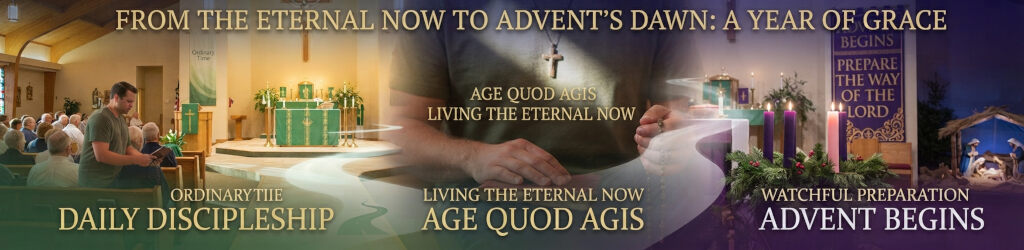
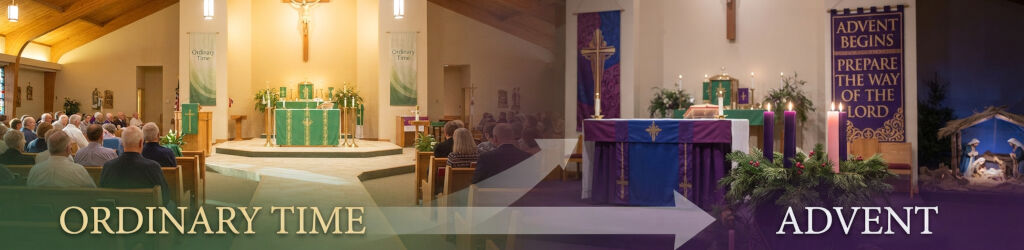
The Last Words of Ordinary Time, mark the end of Ordinary Time in our liturgical calendar as we prepare to step into Advent tomorrow and begin a new liturgical year. Far from being plain or routine, Ordinary Time shapes the rhythm of our discipleship and anchors our walk with Christ through every season of the year.
When Ordinary Time began back on January 12, I shared in my Daily Reflection that this season is anything but ordinary. Its purpose and graces are extraordinary, indispensable, and fundamental to following the Lord Jesus Christ. Throughout Ordinary Time, the Church’s prayers and selections of Sacred Scripture invite believers to walk alongside Jesus during his public ministry and follow the Apostles as they stepped out of the upper room to evangelize the world. By highlighting healings, signs, and core teachings from the life of Christ, the Church reminds, reaffirms, consoles, and challenges us in living the Christian way of life.
How The Last Words of Ordinary Time Forms Our Discipleship
Across these months, the liturgical calendar calls the community of disciples into concrete habits of faith and charity. We are invited to:
- Forgive and accept generously: Letting go of resentment and welcoming others with open hands.
- Receive and bring healing: Allowing Christ to mend our wounds so we can serve as instruments of healing for others.
- Seek peace and live humbly: Cultivating quiet trust in God’s providence rather than relying on worldly power.
- Pray and trust in God’s care: Grounding our daily decisions in ongoing conversation with the Lord.
In many ways, this season is one of the primary wells that feeds our Christian lives and gives depth to our celebration of the major feasts of the Church. Last Words of Ordinary Time acts as a steady signpost along the road of discipleship—giving us space to keep urgent distractions in check so they do not crowd out what truly matters, while helping us cherish sacred priorities so our lives can flourish and bless those around us.
Lessons from the Saints and Living in the Now
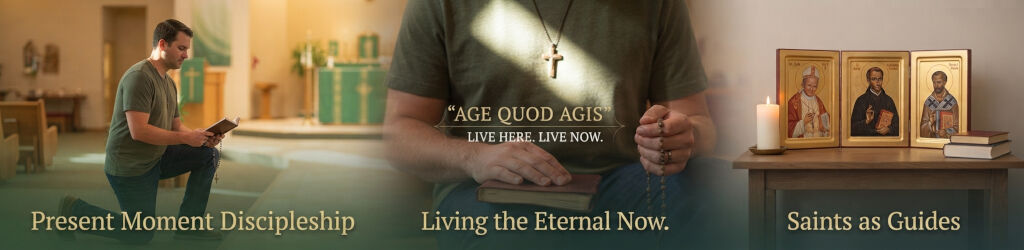
Examining our discipleship over the past year has also allowed us to reflect on the lives and witnesses of saints honored by the Church. We have explored the teachings of the Doctors of the Church, whose writings help sharpen our understanding of salvation, as well as regional saints from parts of the world where our Order serves. Their examples show why Jesuits often live by the motto Age quod agis—“Do what you’re doing.” Rather than getting pulled into anxiety over yesterday or tomorrow, or even over earlier or later hours of the day, we are called to be present right here and right now. Ordinary Time reminds us that God is the Eternal Now, and we meet him most closely when we give our full attention to the present moment.
As we look back on Last Words of Ordinary Timeime, we are also called to keep our hearts open to the Lord—guarding against hardness, unbelief, distortion, or the deceit of sin. Living today in God’s presence means keeping our hearts attentive, steadfast in faith, and guided by his grace. We can read the full text of the General Instruction of the Roman Missal to see how the Church structures these seasons of prayer, reflect on the meaning of the Liturgical Year across the broader Catholic tradition, and explore resources from the Vatican on growing in daily prayer.
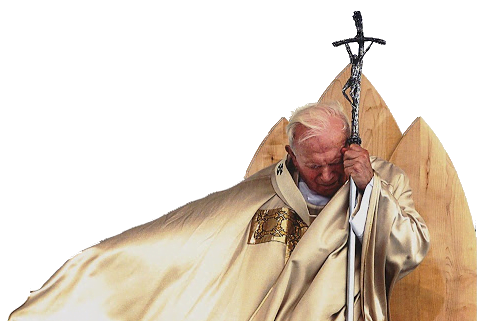
I am deeply grateful to all of you, Followers of the Order of St. John Paul II, for welcoming my Daily Reflections into your lives over the past year. As Advent begins tomorrow, I encourage you to keep walking in the footsteps of our patron, St. John Paul II, and discover more reflections and community updates through the Order of St. John Paul II.
May God Bless You and Grant You His Peace!