
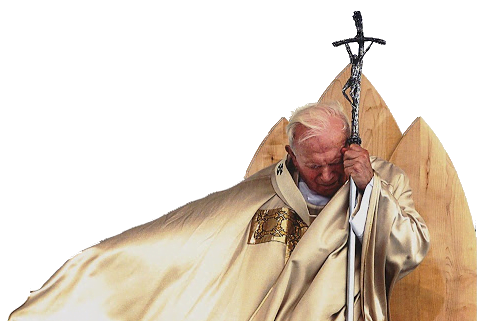
The Christ the King’s Solemnity was instituted by Pope Pius XI in 1925 on the sixteenth centenary of the Council of Nicaea, where the consubstantiality of Christ with the Father was defined. Established to help the Church confront rising secularism and atheism, this feast gained an explicit eschatological focus—pointing to death, judgment, and the final destiny of the soul—when the Second Vatican Council moved it to the final Sunday of the liturgical year. Exploring the Christ the King’s Solemnity invites us to anchor our trust in Christ’s providence while learning what true spiritual kingship looks like in daily life.
Why Pope Pius XI Instituted Quas Primas
In his encyclical Quas Primas (In the First), Pope Pius XI wrote, “Oh, what happiness would be ours if all people, individuals, families, and nations, would but let themselves be governed by Christ!” Throughout Catholic history, new feasts have been added to the liturgical calendar whenever culture needed a fresh reminder of a vital truth:
- Corpus Christi was established when devotion to the Eucharist was waning.
- The Sacred Heart of Jesus was instituted when people were weighed down by the grim severity of Jansenism, which chilled hearts and obscured God’s love and the hope of salvation.
- The Feast of Christ the King was introduced to counter pervasive relativism and anti-clericalism, reminding the world that Christ and his Church remain Lord over all.
As Catholics navigate challenges and crises of leadership within the Church’s hierarchy today, this feast offers a grounding witness of faith. Christ the King’s Solemnity, as ruler of the universe, guides his Church through his providence, and human leaders are called to model their service after his example. In Quas Primas, Pius XI also emphasized that the strongest defense against destructive cultural forces is recognizing Christ’s kingship—and an annual feast shared by everyone forms the heart even more effectively than any volume of learned writings or daily reflections. Often, we act and pray first, and only later come to grasp the full depth of what we are doing.
Christ the King’s Solemnity – What Baptismal Kingship Means for Us
Anointed with sacred chrism at baptism, every Christian shares in the threefold mission of priest, prophet, and king. Reflecting on this feast helps clarify what “king” means and how we live out that vocation with Christ the King’s Solemnity.
One starting point is Genesis, where God brings the animals to Adam to name. Naming one’s subjects is a royal act, and with it comes the duty to care for them—making us custodians of creation in a way no other creature is charged to be. Yet the King of the Universe pushes this responsibility far beyond earthly authority: he is both ruler of all and servant of all, reigning in triumph from the Cross. For more parish resources and spiritual reflections, visit Saint John Paul II Parish.
How the Gospels Reshape Kingship
Across the three-year Sunday lectionary cycle, the Gospel readings for this feast continually turn our assumptions about earthly power upside down:
- Matthew (Matthew 25:31–46): Jesus teaches that we will be judged by how we serve—or fail to serve—those in greatest need.
- John (John 18:33–37): Facing Pilate before the Passion, Jesus declares, “My kingdom does not belong to this world.”
- Luke (Luke 23:35–43): Hanging on the cross, Jesus extends mercy and promises paradise to the repentant criminal beside him.
Together, these passages challenge systems built on coercion, wealth, and force. Christ inaugurates the Kingdom of God through self-emptying love. You can read the full text of Quas Primas on the Vatican website or explore more about the Solemnity of Our Lord Jesus Christ, King of the Universe.
Christ the King’s Solemnity – Closing the Liturgical Year and Entering Advent
Because the Christ the King’s Solemnity always falls on the last Sunday of the liturgical year, next Sunday opens a new liturgical year with the first Sunday of Advent. It serves as a fitting threshold into a season of watchfulness and preparation, helping us recognize and receive Jesus. While we look ahead to his return at the end of time to bring the fullness of God’s kingdom, this feast also reminds us to welcome Christ into our lives every single day. For additional background on how the Church’s liturgical calendar is ordered, see the General Norms for the Liturgical Year and the Calendar.
If you would like a visual taste of devotion to Christ the King, here is a video inspired by a Christ the King procession in New York City (note that the creator’s description states it uses AI-generated artistic scenes rather than verified live footage of an official event): Christ the King NYC 2026 | A Grand Catholic Procession Through New York!.
May God Bless You and Grant You His Peace!