

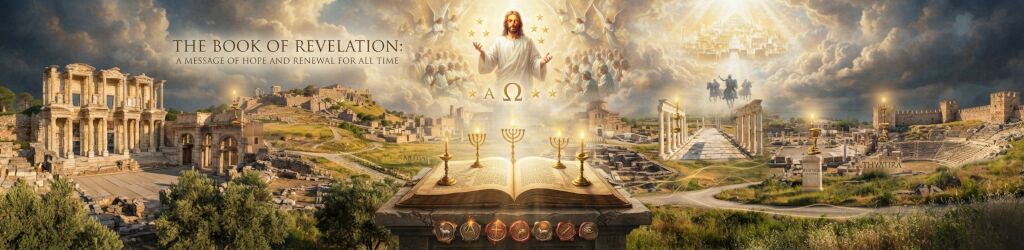
As we approach the final weeks of the liturgical year, our first readings focus on the Book of Revelation: Message Understanding, a powerful and frequently misunderstood text that often leaves modern Christians searching for clarity. Also known as the Apocalypse, this New Testament book presents strange, obscure imagery that has sparked centuries of speculation about contemporary world events. However, beneath the symbolic visions lies a profound message of hope, resilience, and spiritual renewal that remains deeply relevant to believers today.
To better appreciate the historical and spiritual context of this biblical book, you can explore the United States Conference of Catholic Bishops (USCCB) Biblical Resources for official commentary, or read a detailed overview of the text on the Catholic Answers Book of Revelation Guide.

Authorship and Historical Background of Revelation
Although the Book of Revelation: Message Understanding text claims to be written by someone named “John,” biblical scholars generally agree that the author is not John the son of Zebedee, one of the Twelve Apostles, nor is he necessarily the writer of John’s Gospel. Most historians suggest the author was a Palestine-born Jewish Christian living in exile—a prophetic figure well-known to the early Christian communities in Asia Minor (modern-day western Turkey).
Internal evidence suggests the text was likely composed during a period of Roman persecution or local harassment. Its primary purpose was not to frighten readers with bizarre symbols, but rather to boost morale, encourage steadfastness, and inspire unwavering hope in God’s ultimate triumph.
Book of Revelation: Message Understanding – Apocalyptic Literature
The primary hurdle for contemporary readers is the apocalyptic style, which uses heavy symbolism similar to parts of the Old Testament such as Daniel and Ezekiel.
- Symbolic Language: The bizarre imagery is intended to convey spiritual realities, the punishment of oppressors, and the ultimate victory of God’s people.
- Need for Commentary: Modern readers benefit greatly from a reliable biblical commentary to decode historical references and ancient literary conventions.
- Spiritual Depth: Beyond the difficult symbolism lie some of the most breathtaking spiritual passages in the entire New Testament, including profound visions of worship and grace.
For further spiritual reflection on how scripture guides our parish life, visit our home page at St. Joseph Parish.
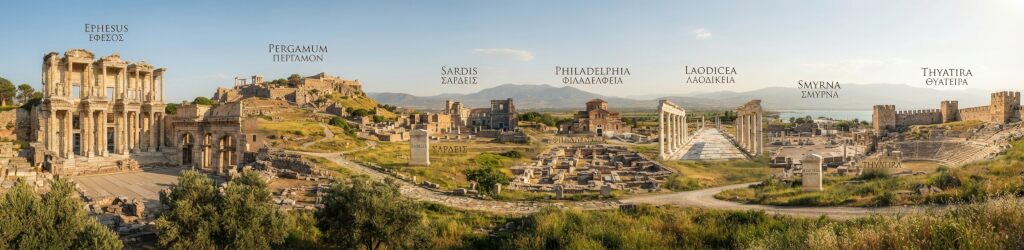
Book of Revelation: Message Understanding – The Seven Churches of Asia Minor
The opening sections of the Book of Revelation: Message Understanding features letters addressed to seven distinct communities in the ancient region around Ephesus:
- Ephesus
- Smyrna
- Pergamum
- Thyatira
- Sardis
- Philadelphia
- Laodicea
These communities varied widely in spiritual vitality. While some maintained remarkable fidelity despite severe trials, others—such as Sardis and Laodicea—experienced a cooling of their initial zeal.
Renewing Our Commitment Today
We can easily draw inspiration from the heroism of our predecessors, who maintained their faith through immense trials and sufferings so that we might receive it today. Yet, in our modern, more comfortable times, our commitment to Christ and the Gospel can quietly weaken. Without intense outward pressure, it is easy to become complacent, losing the vibrant vision that inspired early Christians.
By engaging with the profound spiritual truths of the Book of Revelation: Message Understanding and reflecting on the messages sent to the ancient communities, we can recover our spiritual fervor and ensure our parish remains a shining lampstand giving light to the world.
May God Bless You and Grant You His Peace!