
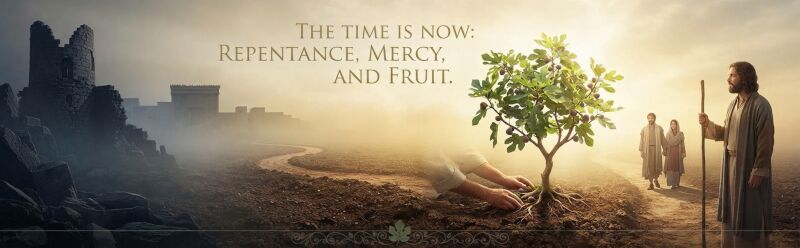
Discover the meaning of the Parable of the Barren Fig Tree in Luke 13. Learn why Jesus calls us to urgent repentance today!
In the Gospel of Luke, Jesus addresses two tragic news stories of his day to deliver a vital message about urgent spiritual transformation. The Parable of the Barren Fig Tree serves as a poignant reminder that while divine mercy grants us time to change, God’s grace should never be taken for granted.
By analyzing the historical context of Luke 13 and Jesus’ urgent call to repentance, we can better understand what this scripture means for our daily lives today.
The Historical Context of Luke 13: Tragedies in Jerusalem
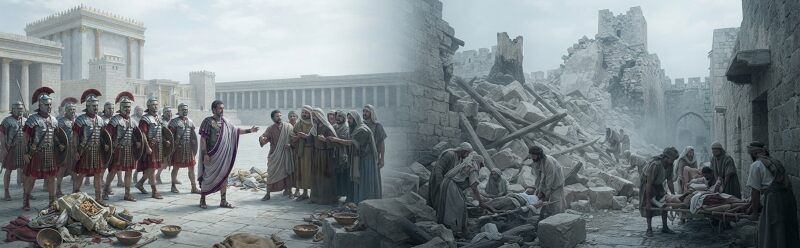
Luke 13:1–9 opens with two seemingly random disasters. In the first event, Pontius Pilate, the Roman governor, brutally executed a group of Galileans while they were offering sacrifices in the Temple precincts.
While this specific event is only recorded in Luke’s account, secular history aligns with this portrayal of Roman rule. According to historical records from Flavius Josephus on Jewish Antiquities, Pilate frequently used harsh, violent force to quell religious gatherings and protests—such as violently dispersing Samaritan worshipers at Mount Gerizim and using Temple treasury funds to build a city aqueduct.
The second incident involved a structural disaster: eighteen people were crushed when a tower in Siloam, located in the southeast section of Jerusalem’s wall, collapsed without warning.
Key Details of the Two Incidents
- The Galilean Massacre: A violent political execution ordered by Pilate during Temple worship.
- The Tower of Siloam Collapse: An unexpected civil tragedy causing sudden loss of life.
- The Popular Misconception: Cultural beliefs attributed sudden death directly to personal wickedness or divine punishment.
Repent or Perish: Reframing Divine Judgment
During the first century, many believed that suffering and sudden death were direct punishments from God for specific moral failures. However, Jesus explicitly rejects this idea. He challenges his listeners:
“Do you think that because these Galileans suffered in this way, they were worse sinners than all other Galileans? No, I tell you; but unless you repent, you will all perish as they did.”
The core lesson behind the tower of Siloam Luke 13 passage and the Galilean tragedy is clear: the victims were not greater sinners than anyone else. Instead of pointing fingers or speculating on why others suffer, Jesus redirects the audience to examine their own spiritual health. Their deaths serve as a sobering reminder of life’s brevity and the universal necessity of a true change of heart.
Analyzing the Parable of the Barren Fig Tree
To reinforce his point, Jesus shares a memorable story about patience, judgment, and second chances:
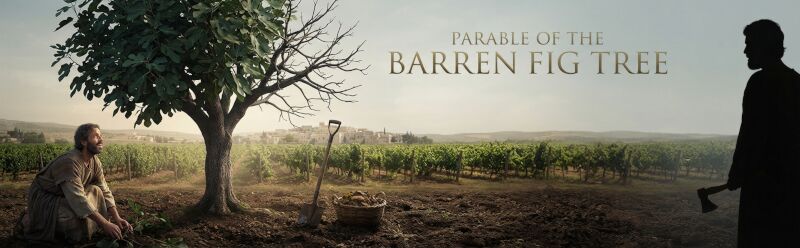
“A man had a fig tree planted in his vineyard, and he came looking for fruit on it and found none. So he said to the gardener, ‘See here! For three years I have come looking for fruit on this fig tree, and still I find none. Cut it down! Why should it be wasting the soil?’ He replied, ‘Sir, let it alone for one more year, until I dig around it and put manure on it. If it bears fruit next year, well and good; but if not, you can cut it down.’”
Key Themes of the Parable
- The Three-Year Search: The three years mentioned likely parallel the duration of Jesus’ public ministry, during which He continuously called the people to spiritual renewal.
- The Patient Vinedresser: The gardener’s plea highlights God’s extraordinary patience and mercy, offering extra care, nourishment, and time before final judgment.
- The Urgent Warning: While grace is extended, the opportunity to bear fruit is not indefinite. Time eventually runs out.
For a deeper textual look at how parables are structured throughout scripture, explore the comprehensive overview at Bible Gateway’s Gospel of Luke Resource.
Applying the Lesson Today: Living in the Present Moment
The central message of the Parable of the Barren Fig Tree remains as urgent now as it was two thousand years ago. Unlike the victims of the Siloam tower collapse or Pilate’s brutality, we have been granted today—an ongoing opportunity to produce good fruit.
We do not know how much time we have left—whether it is a day, a month, or several years. Therefore, spiritual renewal cannot be delayed until tomorrow.
God is focused on your present commitment. When we respond to Christ’s call to repentance today, we can step out of anxiety and rest securely in His merciful hands. To learn more about living out Christian discipleship daily, visit United States Conference of Catholic Bishops Daily Readings.
May God Bless You and Grant You His Peace!